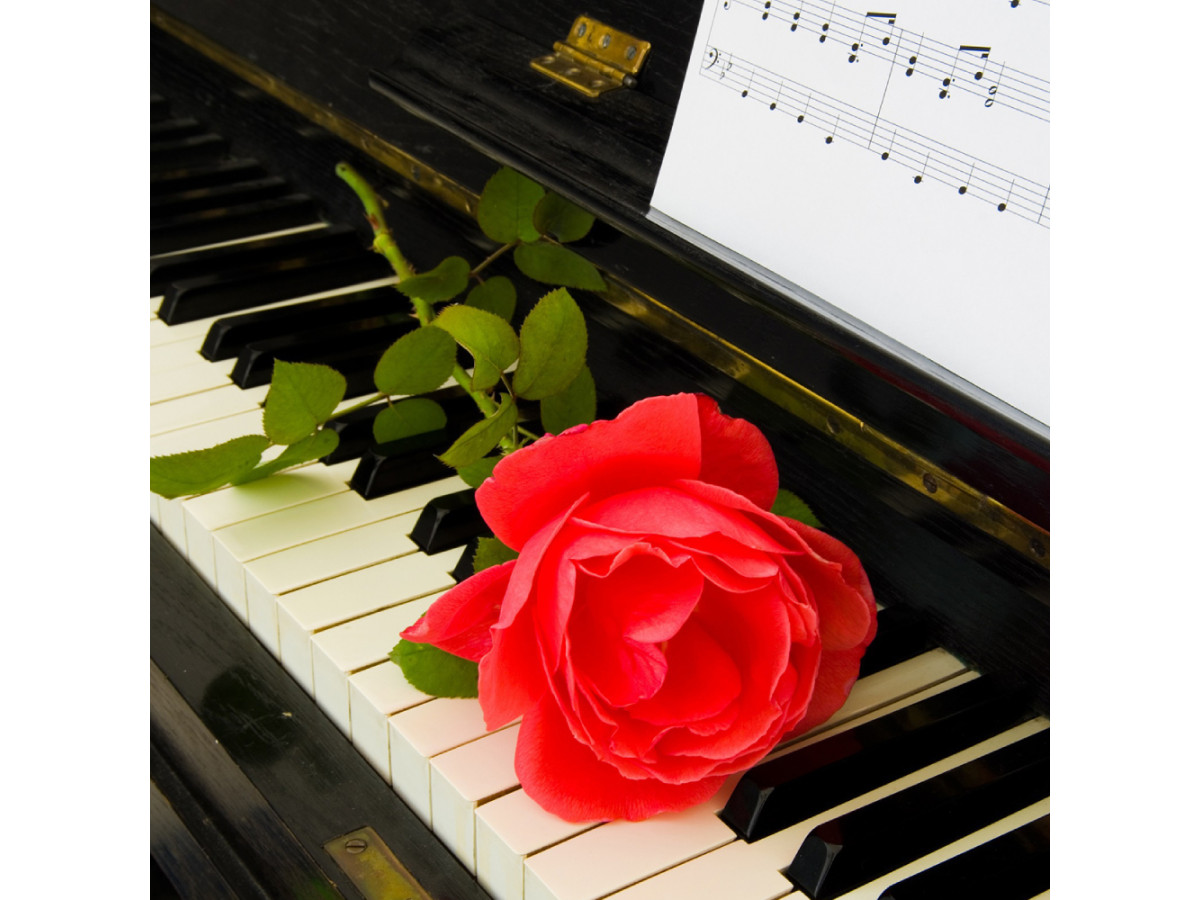
Today, the world celebrates Pianist's Day. We offer you interesting musical facts for this holiday morning.
The piano is called the king of musical instruments. It has earned this title for many reasons. For example, for its tonal range (it covers the entire sound spectrum of all instruments in an orchestra, from the lowest note of the bass bass bassoon to the top note of the piccolo flute), for its ability to play both melody and accompaniment simultaneously (try it on the flute, for example), and for its enormous dynamic range. It is also the largest musical instrument (excluding the organ), the most flexible, versatile, and interesting in terms of performance techniques and sound.
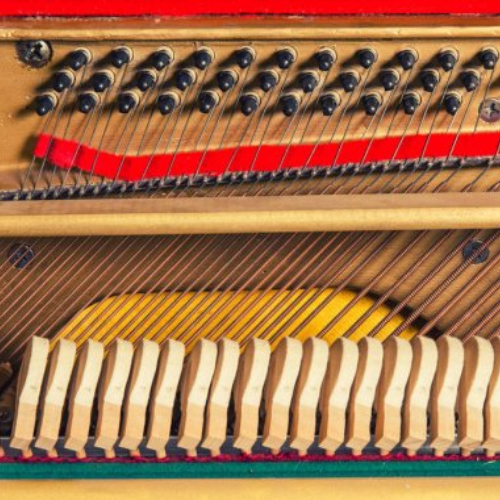
The piano is made up of a wide variety of elements and has a total of over 12,000 parts, 7,500 of which are involved in the mechanism that drives the piano. Each of them is involved in the process of the hammer striking the strings due to the pressing of a key.
A typical medium-sized piano has about 230 strings, each with a tension of about 70 kg, and a total tension of about 18 tons. The total tension of the strings of a concert grand piano reaches 30 tons.
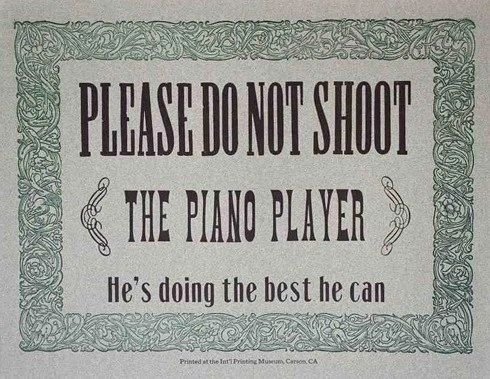
In the nineteenth century, pianists were so popular in America that they were constantly in short supply. Texas cowboys, who, moreover, were atypically demanding listeners, were especially fond of listening to piano playing. In one of Austin's saloons back in the early twentieth century there was a piano with a sign that said, "Please don't shoot the pianist. He plays as he knows how." That's why in 1897 the American engineer E. S. Wotay invented the pianola - a kind of mechanical player, which himself pressed the keys and pressed the pedals. The tune could be selected by setting an interchangeable drum with spindles, like in an organ-grinder.
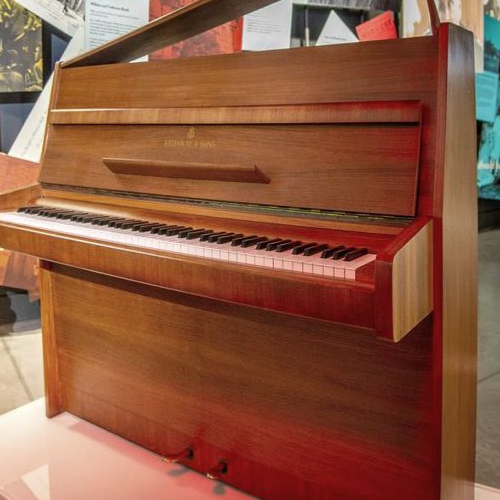
The most expensive of the pianos sold was a Steinway & Sons model Z, owned by John Lennon. It was bought at auction by British singer George Michael for $2.1 million. Lennon himself at one time gave $1,500 for it.







Write a comment