From cheap monosynths to the best high-end polysynths, we've got the best synthesizers for every budget
It’s fair to say we’ve all, over the past decade or so, become more reliant on using soft-synths. With just a few clicks of a mouse, you can create pretty much any sound you like with full polyphony and any effect you can think of. With all this variety, you’d be forgiven for thinking the hardware synth is on its way out but, as we’ve seen, the market has never been in a better place. Wherever you look, there is innovation and fun to be had from today’s breed of hard synths, so we’ve pulled a few of our favourites together into this guide to the best synthesizers around right now.
From simple but sweet-sounding monosynths to fully tricked out poly behemoths, there is a synth out there with your name on it, waiting to be tweaked and played with.
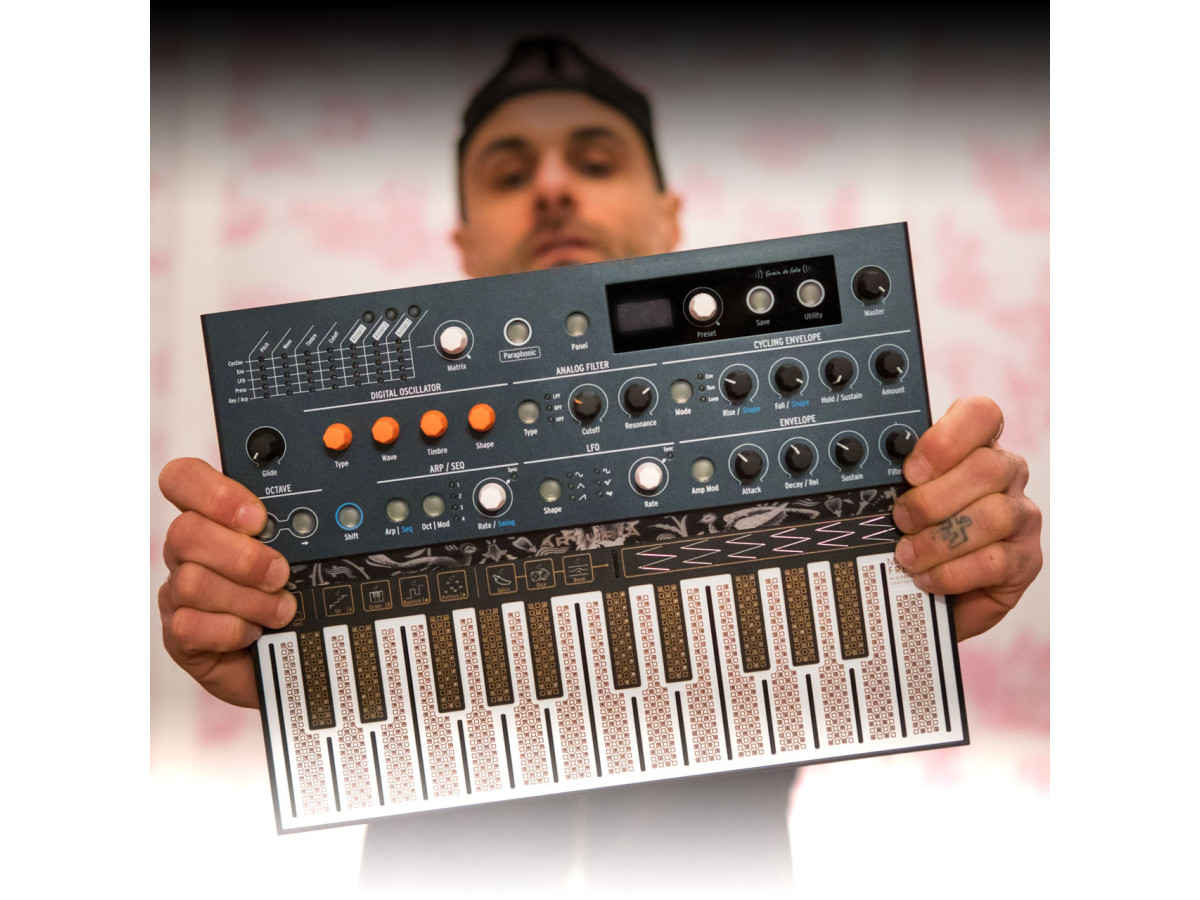
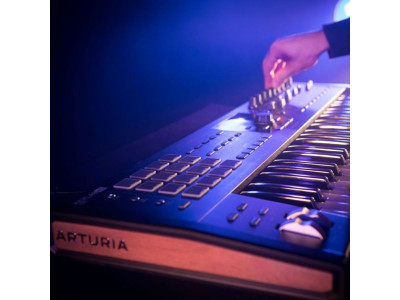
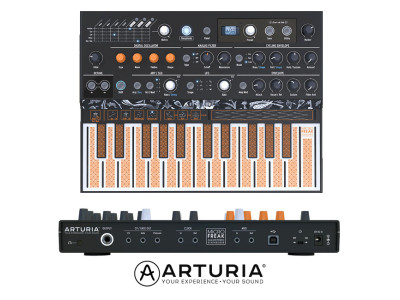
1. Arturia MicroFreak
.jpg)
Reasons to buy:
+Lots of sonic potential given the price range
+Weird and wacky oscillator modes
+So much fun to program
Reasons to avoid:
-A 24dB/oct filter mode would be useful
Overview:
With so many synthesis features packed into such a small box, it’s hard not to fall in love with this hardware offering from Arturia. The multiple oscillator modes cover a near-endless range of timbres; the filter is smooth and versatile; the Matrix invites exploratory modulation; and the performance and sequencing tools are the icing on the creative cake.
However, the real magic lies in the combo of all these together, making this odd little beast far more than the sum of its parts. MicroFreak should be top of your ‘must try’ list.
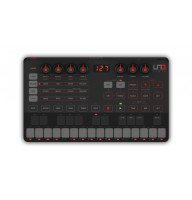
2. IK Multimedia UNO Synth
.jpg)
Reasons to buy:
+Versatile, weighty analogue sound
+Flexible arp, sequencer and scale mode
+Plenty of great sounding, highly usable presets
Reasons to avoid:
-Hardware feels quite lightweight and cheap
Overview:
The look of Uno may prove a bit divisive. Its slanted profile and push button control panel have a retro charm, but it’s a design that brings to mind the early days of home computers more than any vintage analogue synth. The lower part of the push button interface is taken up by a 27-note ‘keyboard’ for live playing, or to input notes for the onboard sequencer or arpeggiator. Despite all of this, Uno is an excellent-sounding, versatile analogue monosynth, and you do get a lot for your money.
The presets offer a ton of highly usable sounds, and we could certainly see this becoming a go-to instrument for classic basses and leads. The arp and sequencer are great for inspiring ideas, and a software editor adds to the allure. If you can cope with a few compromises, Uno is a great source of classic, punchy analogue sounds at a bargain price.
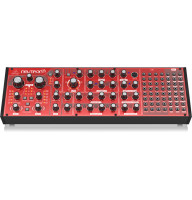
3. Behringer Neutron
.jpg)
Reasons to buy:
+Great value for money
+3340 VCO – a clone of the legendary CEM3340 found in analogue classics of the late ’70s and early ’80s
+Flexible patchbay
Reasons to avoid:
-Too easy to saturate the filter section
Overview:
Behringer’s synth arm might be best known for its controversy-courting ‘tributes’, but the German brand also has a couple of excellent original instruments under its belt. Following in the steps of the Deepmind, Neutron is an analogue semi-modular that packs in a lot of flexibility for its very affordable price point.
The Neutron has a few flaws, and there are some frustrating design issues, but it does sound good, and in terms of bang-for-your-buck, you can't really beat it. While it does a very good job of creating more sensible sounds, it also excels at the weird and wonderful.
4. Arturia MiniBrute 2
.jpg)
Reasons to buy:
+The patchbay adds flexibility
+Plenty of analogue grit
+Decent control options
Reasons to avoid:
-Osc 2 pitch control is a little too close to the filter cutoff
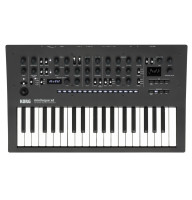
5. Korg Minilogue XD
.jpg)
Reasons to buy:
+CV connectivity
+Good build quality
Reasons to avoid:
-Only one filter pole option onboard
-No low-cut/high-pass filter switch or dial
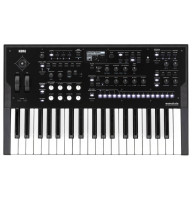
6. Korg Wavestate
.jpg)
Reasons to buy:
+A lot to get stuck into sound-wise
+Comprehensive modulation options
Reasons to avoid:
-Bit of a learning curve to unlock its full potential
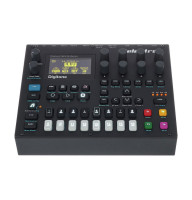
7. Elektron Digitone
.jpg) Reasons to buy:
Reasons to buy:
+Clear yet fat sound
+Can also be used as an FM sound module or MIDI sequencer
+Sequencer and sound engine work together seamlessly
Reasons to avoid:
-Sequencer isn't the easiest to learn
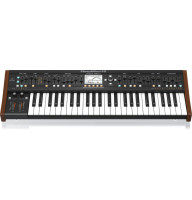
8. Behringer DeepMind 12
.jpg)
Reasons to buy:
+Plenty of voices at a great price
+Flexible modulation matrix
+Loads of presets
Reasons to avoid:
-Not as 'immediate' as some
9. Studiologic Sledge
.jpg)
Reasons to buy:
+Rich, full virtual analogue sound
+Sampling capability
+Lightweight but well built
Reasons to avoid:
-Yellow case won't be for everyone (though you can also get it in black)
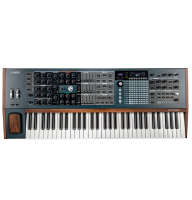
10. Arturia Polybrute
.jpg)
Reasons to buy:
+Morphing engine is fantastic for creating evolving, complex sounds
+Hands-on modulation matrix is a great design
+Excellent digital effects
Reasons to avoid:
-Only six voices of polyphony
According to the site musicradar.com


Write a comment