 0
0
 0
0
 0
0
 0
0
 0
0
 0
0
0
0
 0
0
0
0
Microphones
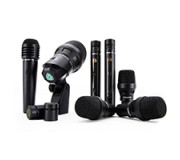
A microphone converts sound waves into electrical energy. Ever since their invention in the late 1800s, microphones have become an inseparable part of human civilization. Nowadays, mics come in all kinds of shapes, sizes, connectivity options, and functions each for its own purpose. Microphones are divided into three basic types:
- Dynamic
- Condenser
- Ribbon
Dynamic microphones have a moving coil magnetic diaphragm and they are capable of withstanding sound pressure levels (SPL) that are higher extreme. Dynamic microphones require no external power and are incredibly durable. They can be wired or wireless.
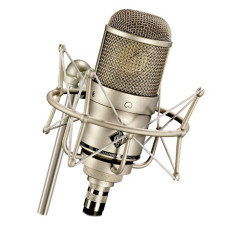
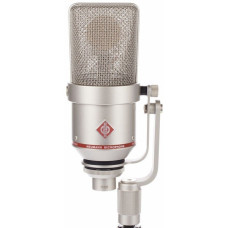
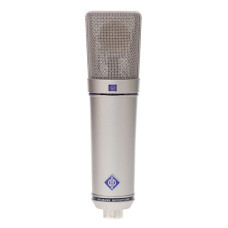
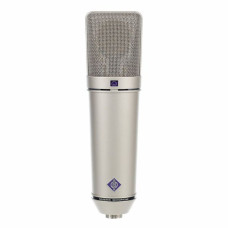
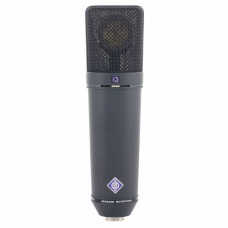
Condenser microphones produce a far higher sound fidelity than dynamic mics thanks to a very thin diaphragm membrane, which transfers energy to a back plate and alters the capacitance of a circuit. The resulting sound is clean, crisp and detailed. Condenser microphones are generally more expensive than dynamic microphones and require the use of an external power supply, internal batteries, or phantom power supplied by a mixer.
Ribbon microphones instead of using a diaphragm, employ a thin metal ribbon allowing them to pick up the velocity of the air. This design makes them more sensitive to higher frequencies but retains a warm vintage voicing. Newer models work well for live multi-instrument recording in venues where the noise level is not loud.
A microphone polar pattern determines where sound is detected and at what angles a mic is sensitive to a sound source. Below are the most common types of polar patterns:
- Cardioid
- Supercardioid
- Hypercardioid
- Omnidirectional
- Bi-directional
Cardioid microphones capture sound from the front and reject everything else from the rear and sides. Cardioid microphones are the most common type.
Supercardioid and hypercardioid microphones are more directional than cardioid and have a narrower area of sensitivity. These microphones provide improved isolation and higher resistance to feedback. Their enhanced ability to reject noise makes them ideal to use for loud sound sources, noisy stage environments or even for untreated recording rooms.
Omnidirectional microphones capture sound equally from all directions. This type of mic has a more natural sound because of their non-directional design that eliminates any rejection.
Bi-directional microphones capture sound from both the front and back but rejects sounds coming from the sides. The front and back sensitivity make them ideal for stereo recording or for capturing multiple instruments.
Wireless microphone systems
Wireless microphone systems are sets of components that allow performers to move freely without worrying about long audio cables. Each wireless system requires a device to transmit a wireless signal (transmitter) and a device to receive a wireless signal (receiver). Transmitters convert the audio signal captured by the microphone into a radio signal. The signal is then sent to the receiver, which converts it back into an audio signal, which is then sent to the sound system. Wireless transmitters are usually located where objects or sound sources are located, while wireless receivers are usually located near a recording device such as a mixing console or camera. Wireless systems often include one or more transmitters, a receiver, a microphone and accessories.
Wireless transmitters
The role of the transmitter is to convert the audio signal it receives from the microphone into a signal that can be picked up by the receiver and then transmit it wirelessly. When it comes to digital wireless systems, the process involves converting an analog microphone signal into a digital signal. Wireless transmitters come in the two most common form factors:
- Handheld transmitters
- Beltpack transmitters
A handheld transmitter combines a wireless transmitter with a microphone capsule. Belt transmitters are designed to connect directly to an instrument or microphone. The belt transmitter is most often attached to the user's belt.
Wireless receivers
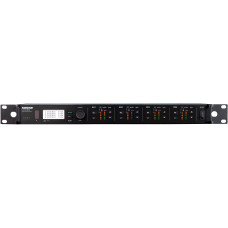
Available in a variety of form factors, wireless receivers receive the wireless signal from a transmitter and feed it to outputs for connection to your recording device. Common receiver types include portable camera-mount, rackmount, tabletop and plug-in models. Single-channel receivers work with one transmitter at a time, dual-channel receivers can simultaneously receive the signal from two transmitters, etc.
Microphones for wireless systems
Typically, a wireless system will have one of three types of microphones:
- Handheld microphones
- Headsets
- Lavalier microphones
A handheld is usually a dynamic or condenser microphone with a built-in transmitter. A headset is worn on the head and the capsule is placed closer to the mouth. Lavalier microphones are small and unobtrusive and can be attached to the speaker's clothing. They are connected to a transmitter, which is usually worn on the belt.
Buy microphones and wireless systems in test.musician.ua
You can buy microphones and wireless systems in our stores. It is also possible to place an order in the online shop. Delivery is carried out all over Ukraine. Thanks to the wide assortment, everyone will find a suitable product for themselves. You can always count on professional advice and assistance. We care about the quality of service and do everything we can to make sure you are satisfied with your purchase.